
New seasonal origins: Kenya, Ethiopia and Peru
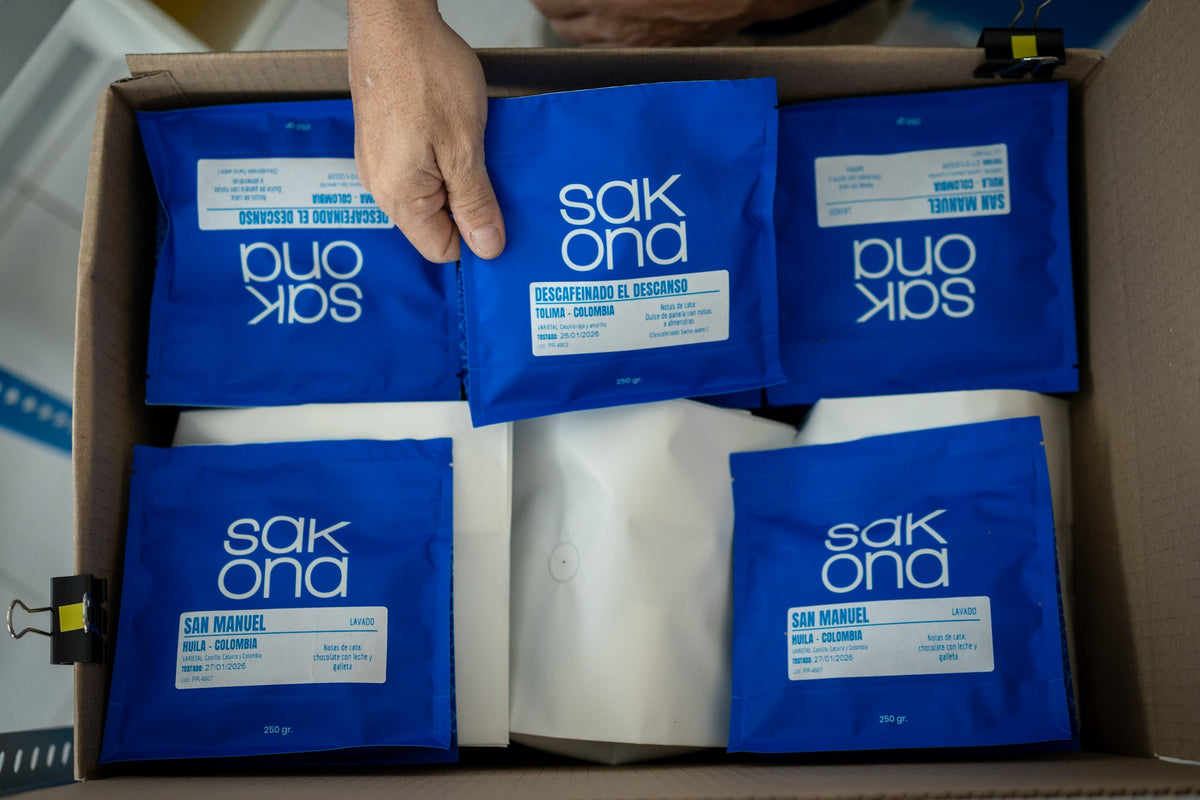
New seasonal coffees let us explore the work of different farming communities and understand how the environment and post-harvest processing shape each coffee's profile.
- The journey starts in southern Ethiopia with Banko Gotiti, a washed lot from the 2025 harvest grown at 1,950–2,200 metres above sea level in the Gedeo Zone, in the Yirgacheffe region. This mountainous area of fertile volcanic soils, with a cool, humid climate and rich biodiversity, is a historic global reference for the elegance of its coffees.
In the village of Banko Gotiti, local smallholders farm small, shaded family plots using traditional practices to grow native varieties known as heirloom. The cherries are picked by hand and selectively, then washed and dried slowly and evenly on African beds that allow good ventilation to preserve quality. The result is a complex cup with notes of apricot, bergamot, black tea, blood orange, cream and milk chocolate. - The second arrival takes us to Kenya with Gachatha AB, from the 2025 harvest, produced by Jane Nyawira in the Gachatha region. After harvest, smallholders deliver ripe cherries to the Gachatha Coffee Factory, which relies on electric pumps to move water that is recirculated to conserve it. There, a disc pulper removes the skin and fruit from the parchment.
The coffee is then fermented overnight to break down the sugars, cleaned, soaked and spread on raised drying tables for a time that depends on the weather and the volume of production.
After wet processing, the coffee is dry-hulled to remove its protective layers, with optional polishing of the silver skin. Finally, the beans are mechanically graded by weight and size using screens and air jets, followed by a thorough hand sort to remove any colour defects or insect damage. This rigorous control produces a very clean cup, with notes of blackcurrant, black tea and lime. - Finally, Alto Inambari takes us to the eastern slopes of the Andes in the Puno region of southern Peru, where the mountains meet the Amazon. This coffee from the 2025/2026 harvest is grown at 2,100 metres in the Alto Inambari valley, in Sandia province.
Around 25 smallholders farm family plots under agroforestry systems shaded by native trees, a traditional approach that helps stabilise the environment and preserve biodiversity in an area that has historically had limited access to markets. The variety is Typica, hand-picked at optimal ripeness between September and November. Working together, the producers keep strict control over consistency, quality and traceability during harvest and post-harvest, using a washed process with mountain water that gives the coffee a clean profile. The slow development of the fruit in the mountain microclimate and the washed process give a balanced, well-defined cup with notes of apricot, milk chocolate and walnut.


